



With the Support of the EU and Germany: Young Innovators in Bosnia and Herzegovina Turn Ideas into Solutions for Real Business Challenges
Economic change does not emerge only within large institutions, companies or strategic documents. It often begins in small teams working on concrete problems and seeking practical, usable solutions. When young people are given the opportunity to direct their knowledge, creativity and energy towards real business needs, an initial idea can become the starting point of a tangible innovation journey.
This is precisely the story brought forward by the FutureMinds Lab project, implemented by the University SSST within the European Union’s Private Sector Development Initiative in Bosnia and Herzegovina, co-financed by the European Union and the German Federal Ministry for Economic Cooperation and Development (BMZ). The activities build on previous results and the University’s participation in the its4health Digital Innovation Hub.
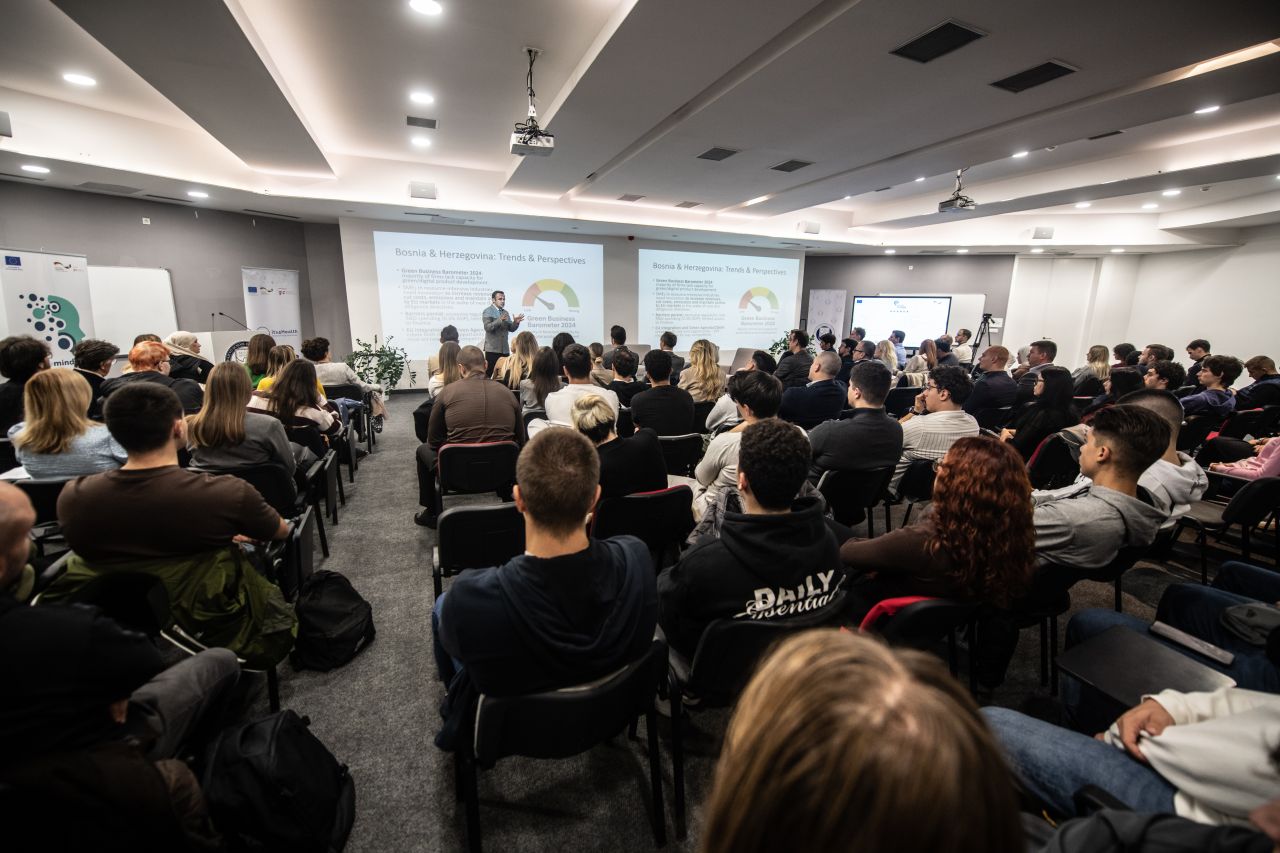
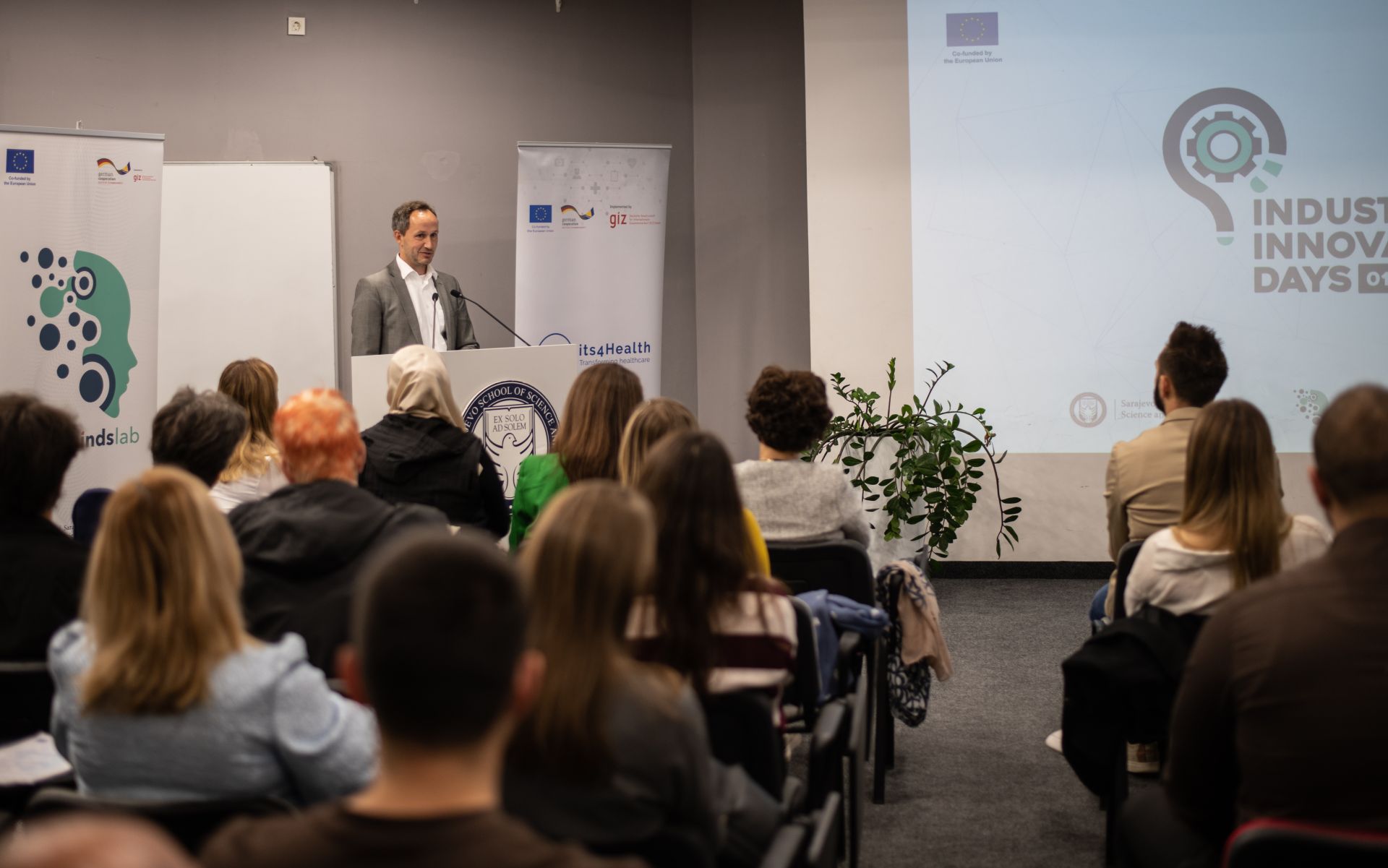
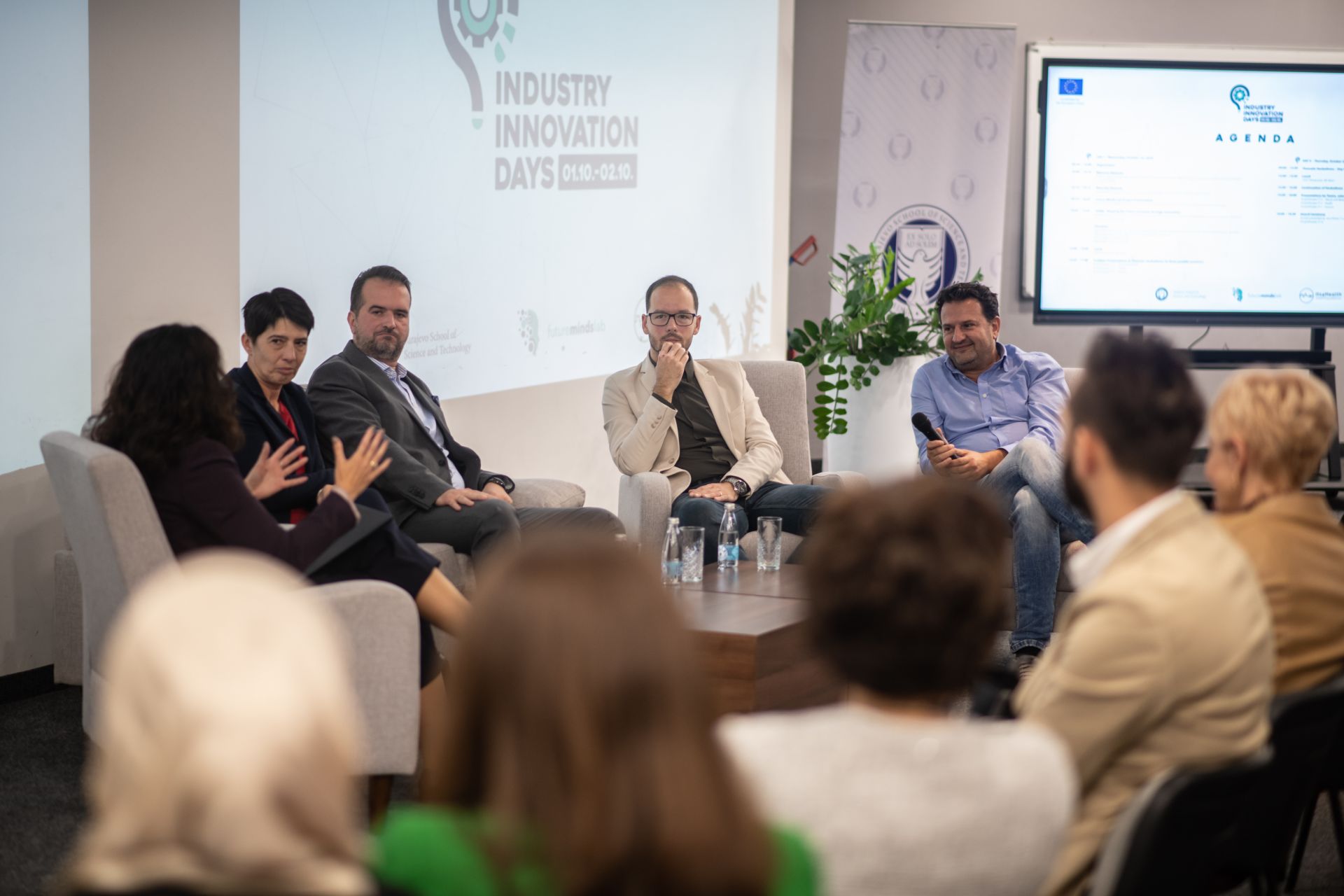
Through the FutureMinds Lab Industry Innovation Days and three parallel hackathons, young people from BiH – from secondary school and university students to young innovators – worked on solutions to challenges identified through value-chain needs analyses in the healthcare, tourism, and wood and metal industries. From the outset, the teams’ work was therefore focused on concrete needs of the economy and society.
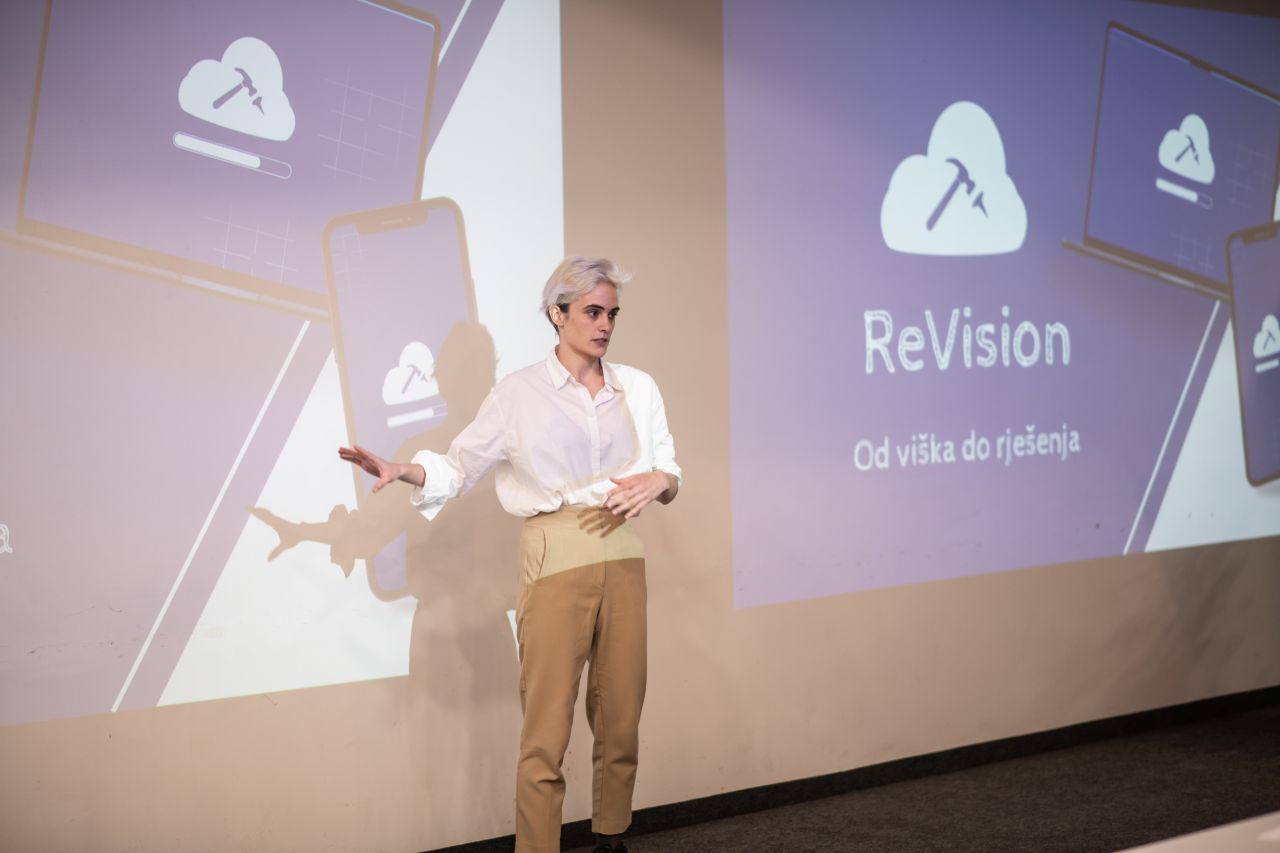
With mentoring support from industry experts, participants learned how to validate, shape and adapt an initial concept to the needs of potential users. In this way, the hackathon became the starting point of a broader development process aimed at potential real-world application. The three winning teams offered practical responses to real sectoral challenges: improving the tourism experience through digital tools, creating an ergonomic solution for a healthier and more functional work environment, and developing a digital concept for more efficient use of healthcare capacities.
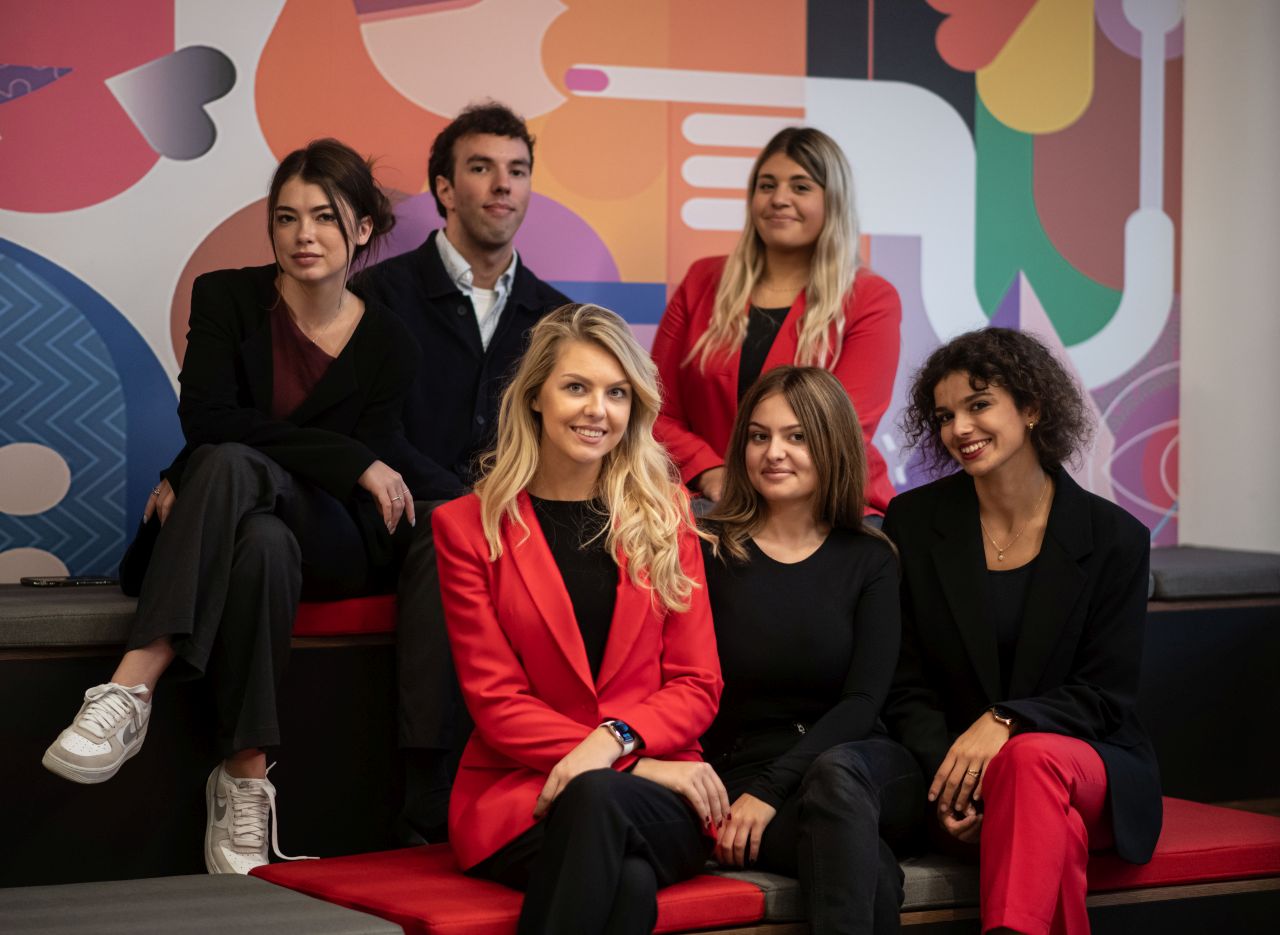
The “Chillim” team developed its idea from the perspective of a generation for whom digital tools, interactivity and play are a natural part of everyday life. Their solution connects tourism and technology through an interactive game that enables visitors to explore cultural heritage in a different way, using NFC tags and digital elements inspired by the traditional Bosnian rug, or ćilim, as a recognisable symbol of local heritage.
“We are all drawn to digital solutions. We decided to create a game that helps tourists discover our city in a different way through NFC tags, while also having fun collecting ćilims,” says Lamija Imamović from the “Chillim” team.
In the wood industry sector, the “ErgoShift” team worked on the concept of an ergonomic work desk. Their idea responds to challenges associated with modern working habits: prolonged sitting, poor posture, strain on the spine and eye fatigue. It connects a traditional manufacturing sector with design, functionality and attention to health.
“We came up with the idea of a desk with an adjustable position and height, as well as a monitor stand that changes position over time, helping us protect our eyesight and spine,” explains Eldin Bečirević from the “ErgoShift” team.
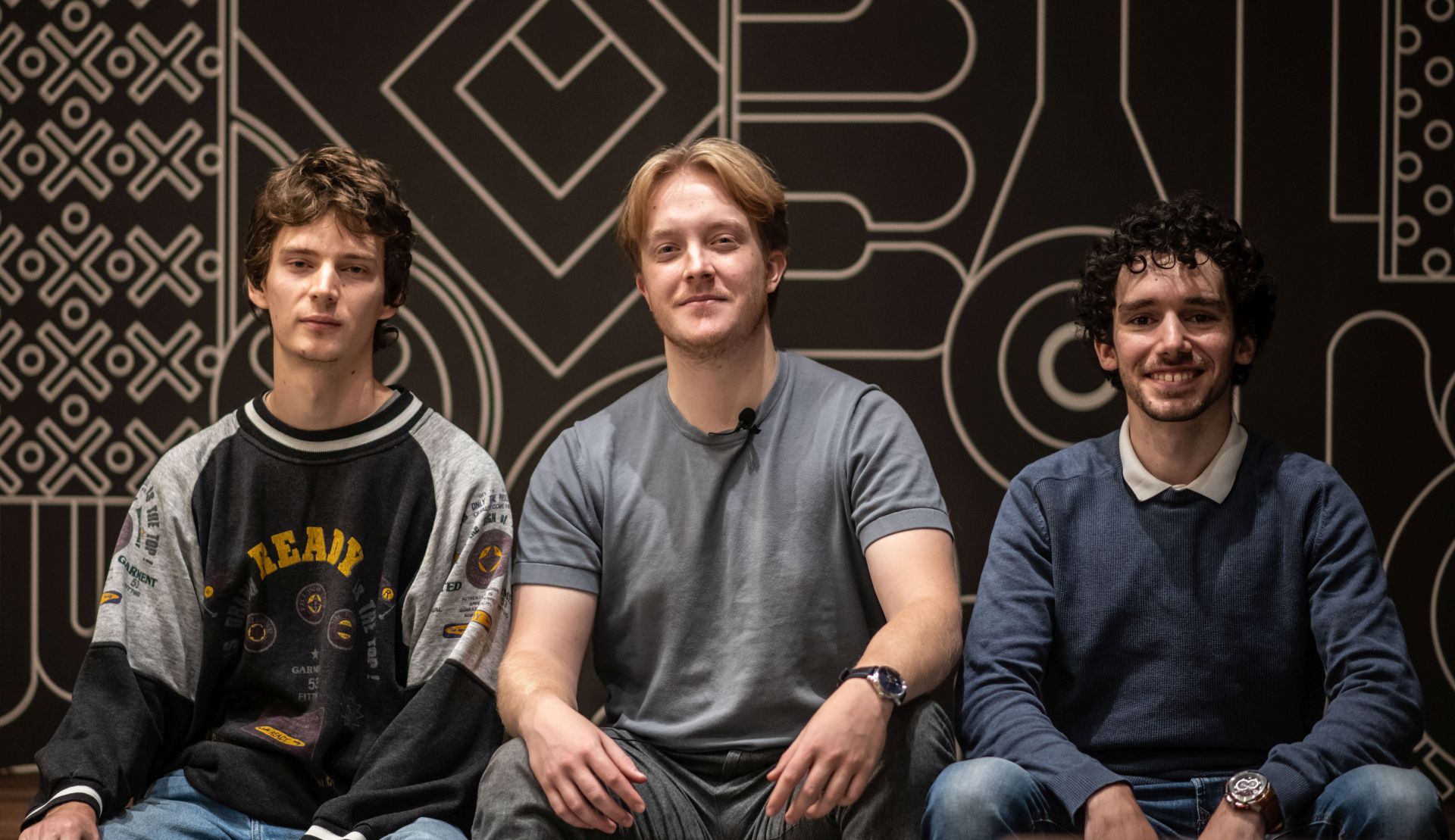
The third winning team, “Horalix”, focused on healthcare by developing a digital concept for optimising hospital bed management and making more efficient use of healthcare capacities. Through their work with mentors and experts, the initial idea gained a clearer direction for further development.
“Working with mentors and experts was an important experience for us, and it gave our initial idea a clearer direction for further development,” highlights Kerim Šabić from the “Horalix” team.
What distinguishes the FutureMinds Lab Industry Innovation Days from one-off competition formats is the continuation of support after the hackathons. In cooperation with FabLab Sarajevo, the winning ideas continued to be developed into concepts that could find their place in a real market environment. Drawing on its experience in developing innovative solutions, prototyping and connecting technology with practical needs, FabLab highlighted the importance of structured support that can guide ideas towards application.
“We were surprised by the strong response from the large number of teams participating in the three hackathons organised as part of the FutureMinds Lab Industry Innovation Days. We are now further developing the winning ideas for real-world environments, which shows that the hackathons were only the beginning of a development process – from an idea to a product with real market potential,” says Edin Škaljić from FabLab.
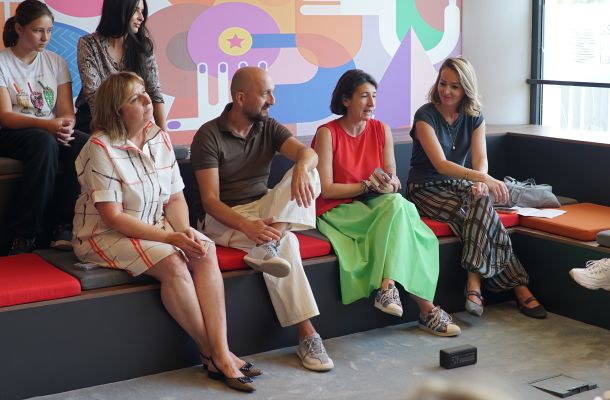
According to Afan Kalamujić, Minister of Finance of Sarajevo Canton, this model demonstrates the important role of the public sector in creating a framework that connects academia, education and business.
“The public sector should primarily act as a facilitator, creating a good framework for cooperation between academia and science on the one hand, and the business sector on the other, because all these ideas ultimately need to be tested in real conditions,” Kalamujić notes.
FutureMinds Lab demonstrates that innovation does not emerge in isolation. Young talents have ideas and energy, but they need a process that connects them with educational and research institutions, small and medium-sized enterprises, and industry partners. For young innovators, this means practical experience in working on real challenges, developing new skills and building connections with potential partners. For businesses, this model creates opportunities to identify talent early, test new approaches and engage with fresh ideas emerging from the education and innovation ecosystem.
Through these examples, FutureMinds Lab confirms that structured support, mentoring and collaboration can create the conditions in which ideas grow into solutions with real economic and social potential.