



FutureMinds Lab: From Winning Ideas to Solutions Tested in Real-World Settings
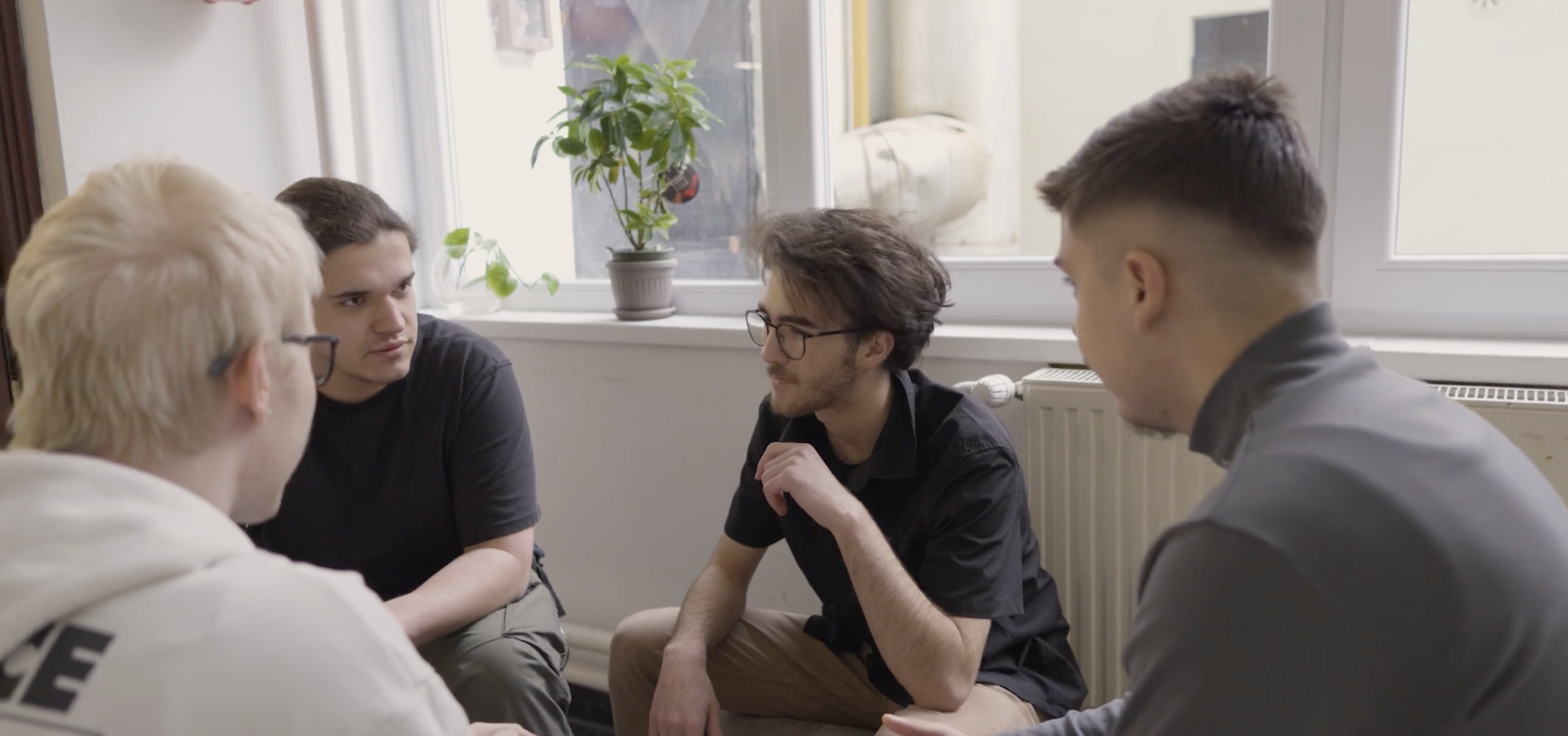
For the three winning teams, the FutureMinds Lab hackathons, held in October 2025, were not the end of the story, but the beginning of its most important stage. The ideas they developed did not remain at the level of presentations and prototypes. Instead, they were given the opportunity to be further shaped, adapted and tested in real working environments within companies and institutions in the healthcare, tourism, and wood and metal sectors.
The path towards these pilot tests began long before the hackathons themselves. Needs analyses across the three sectors identified concrete challenges and opportunities to improve efficiency, sustainability and competitiveness. Based on these findings, young innovators came together around problems that were not hypothetical, but rooted in the real needs of companies and institutions.
FutureMinds Lab, implemented by the University SSST within the Private Sector Development Initiative in BiH, co-financed by the European Union and the German Federal Ministry for Economic Cooperation and Development (BMZ), continued supporting the winning teams after the best ideas had been selected. The goal was not simply to develop prototypes, but to enable the teams to assess how their solutions perform in the environments where they could one day be used.
From Real Challenges to Testing in Companies
For the three winning teams, the support was delivered through two connected processes. First, they received technical and development resources for further work: access to prototyping infrastructure, software development environments, expert mentoring and advisory support. This was followed by structured testing in cooperation with companies and institutions representing real application environments. This approach enabled the teams to develop their ideas in direct contact with potential users. Rather than relying solely on their initial assumptions, they could observe how their solutions worked in daily operations, understand the limitations of existing processes, and adapt them to specific needs.
“It is not enough for young people to have good ideas. They need a framework in which those ideas can be developed with support, as well as a space where they can be tested together with people who face these challenges every day. That is what this project is trying to create,” said Jens Elsner, Director of the Sustainable Economic Development and Employment Promotion Programme in BiH.
Three Solutions, Three Real-World Environments
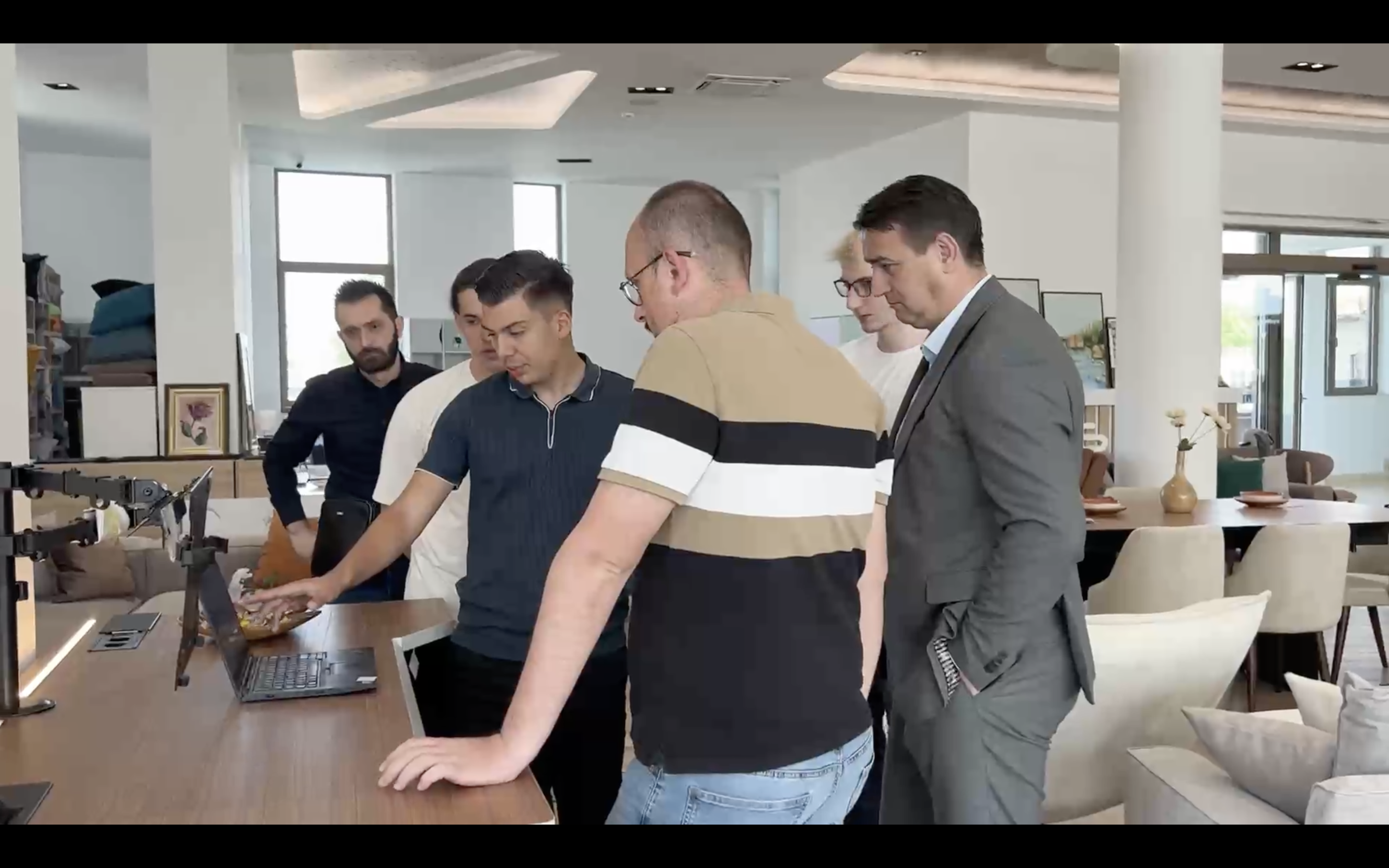
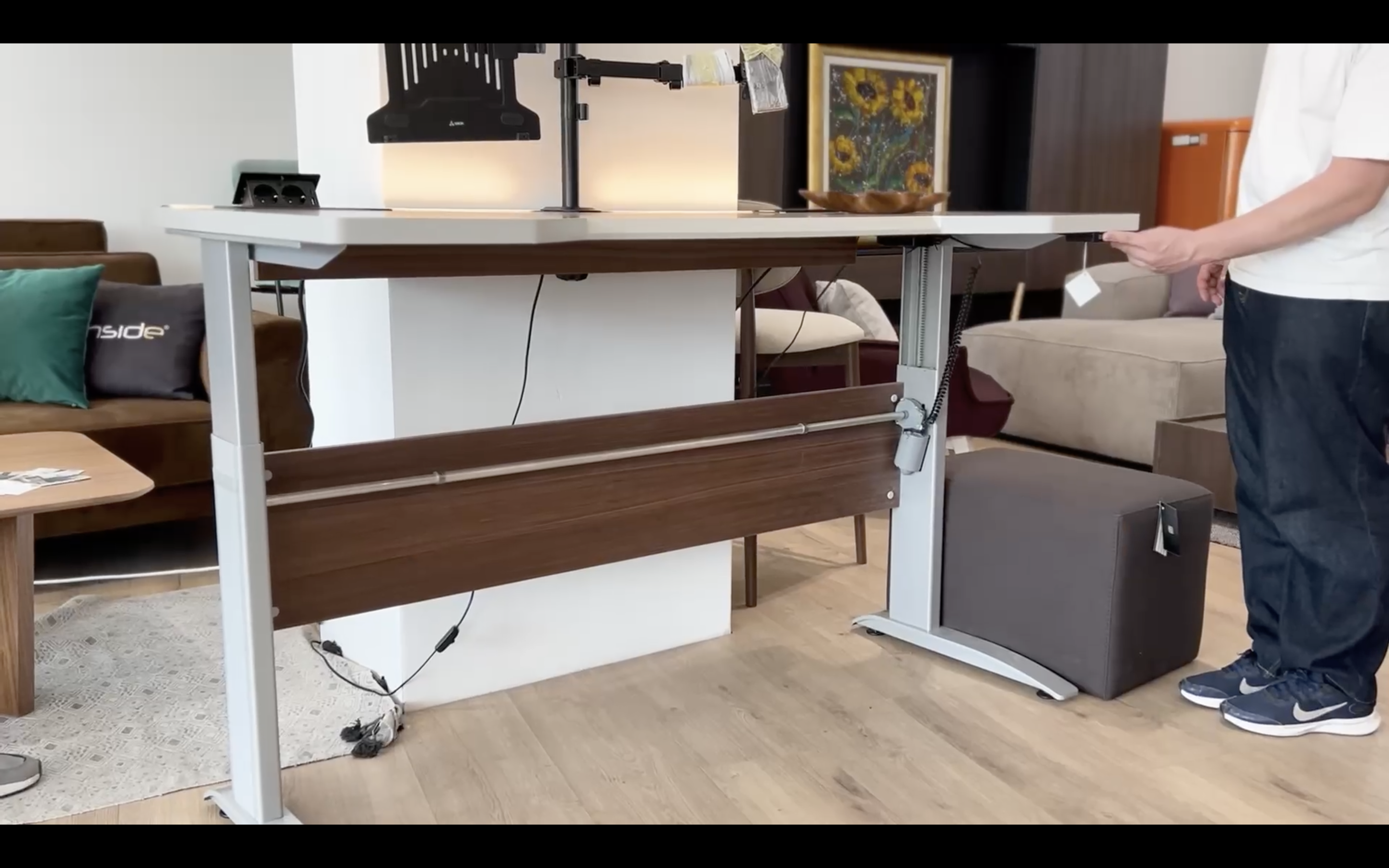
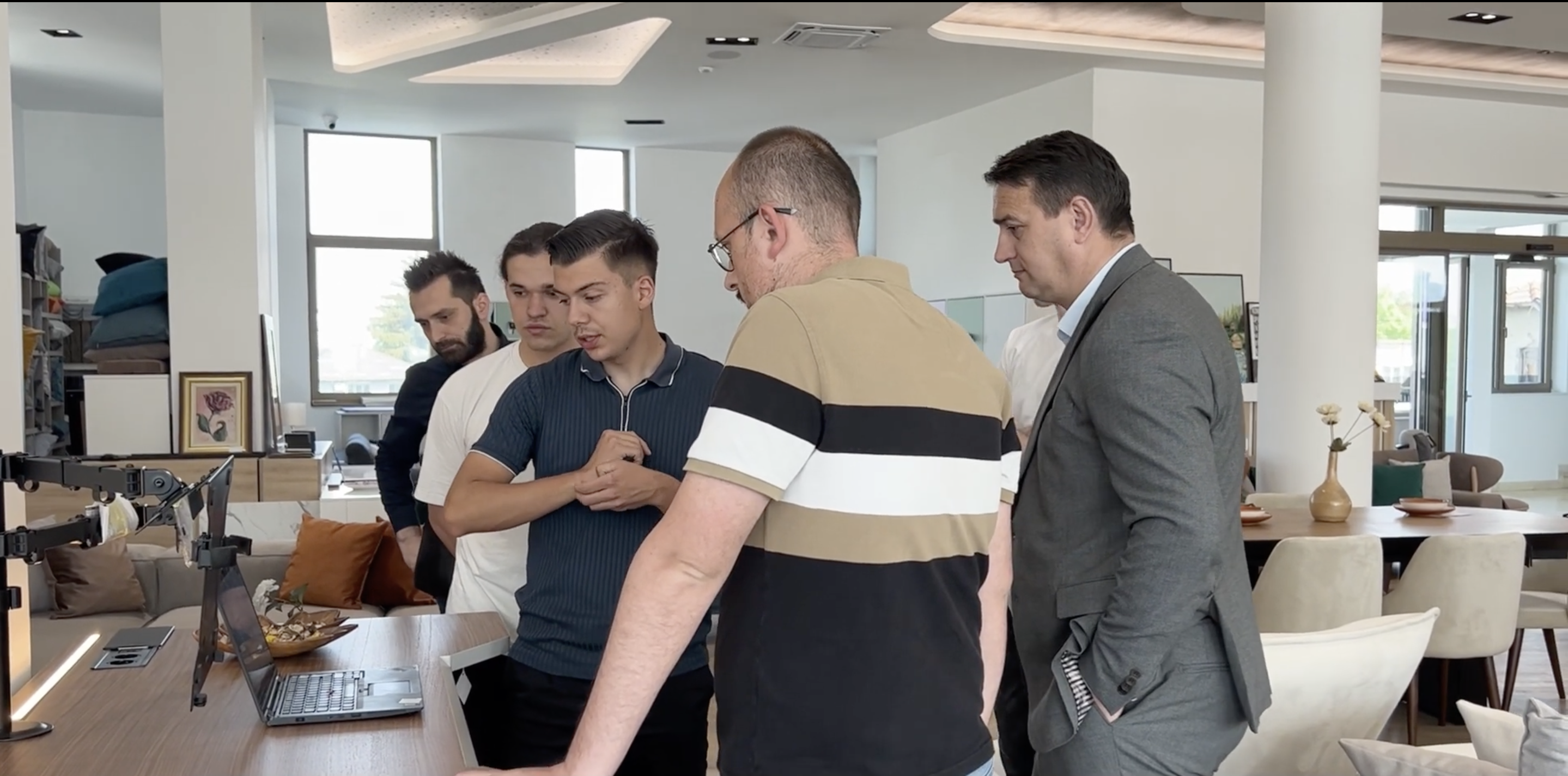
In the wood and metal sector, the ErgoShift team developed a smart ergonomic workstation designed to improve comfort and functionality in office and production environments. During the development phase, the team worked on mechanical design, electronics integration and the user interface, while the functional prototype was tested in the office and production facilities of Ećo Company. The solution was also presented at the Inside by Ećo showroom in Sarajevo. “The most valuable experience was not the development itself, but the testing. Seeing how someone who works at that desk every day uses what we created, and hearing directly what does not work the way we thought it would, is something no laboratory can replace,” says team member Damir Karavdić.
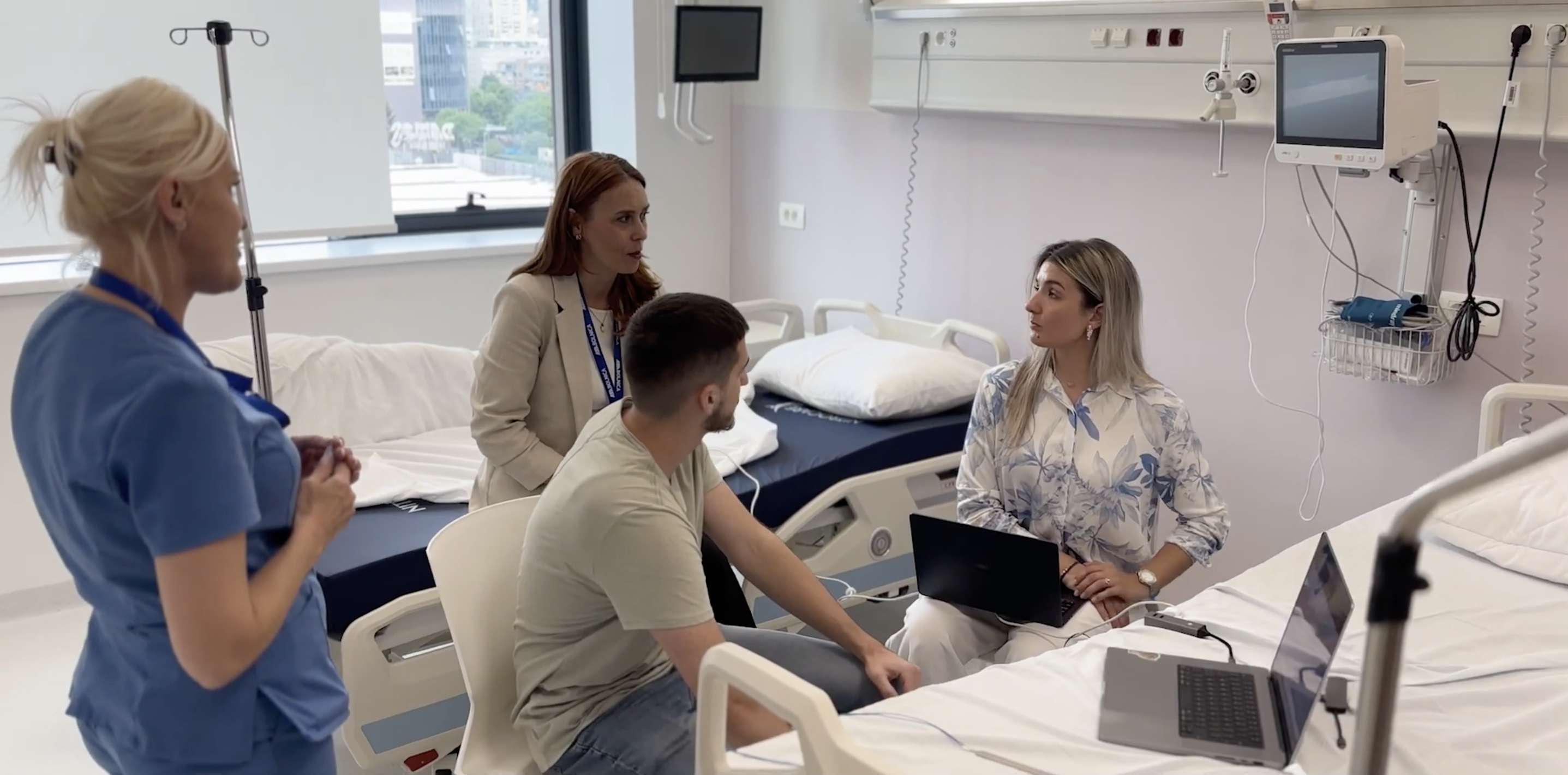
For the healthcare sector, SmartBed AI was developed as an artificial intelligence-based platform for hospital bed management. Its development included system architecture, data models and prediction logic, while testing was carried out in cooperation with ASA Hospital. The focus was not only on the solution’s technical feasibility, but also on its compatibility with existing hospital processes and its practical usability in the daily work of hospital staff. “The healthcare sector has specific requirements and processes that cannot be overlooked. We had to understand how a hospital actually functions from the inside, rather than how we assumed it functioned. That changed more aspects of the solution than we expected,” notes Kerim Šabić.
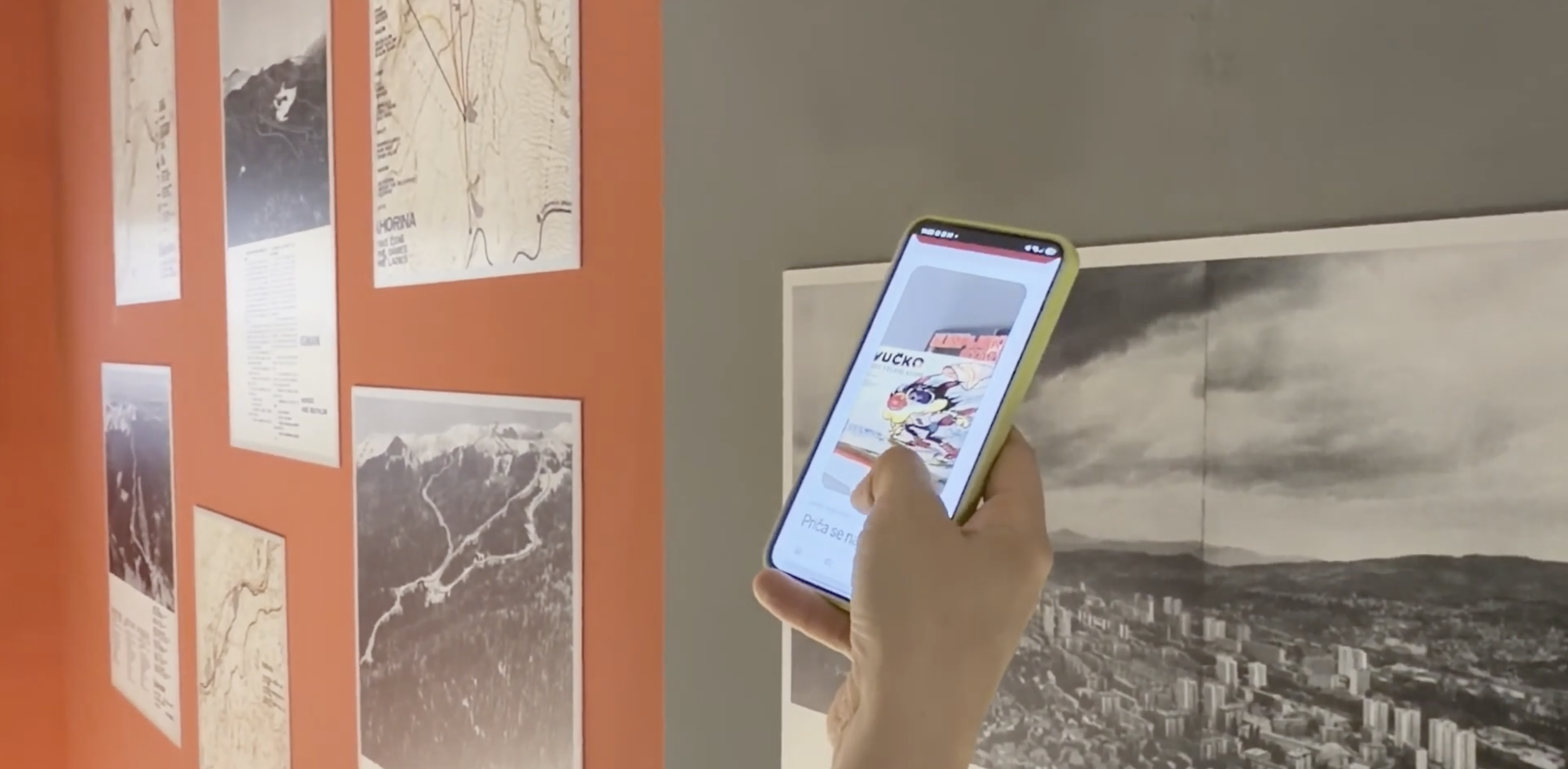
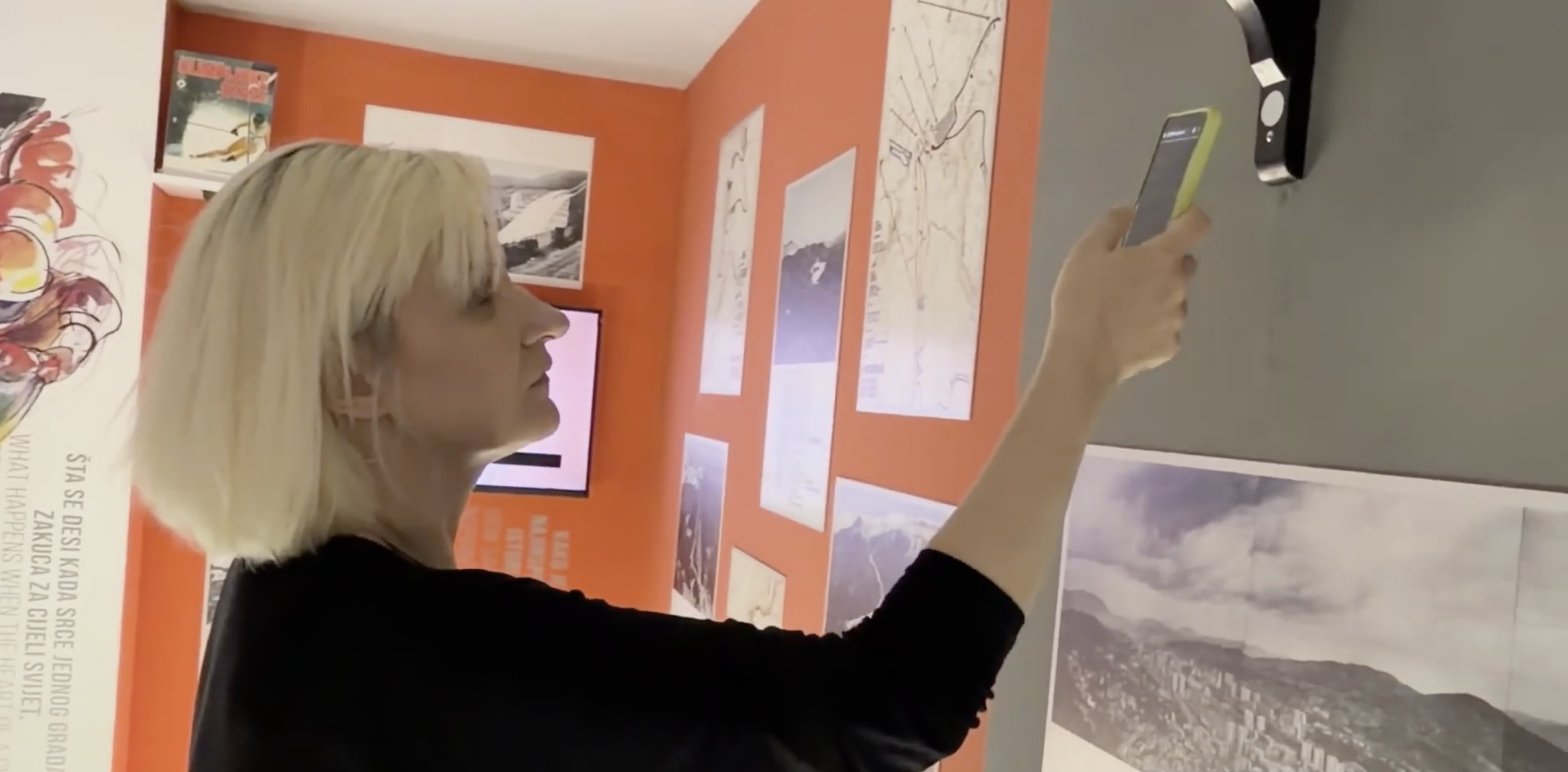
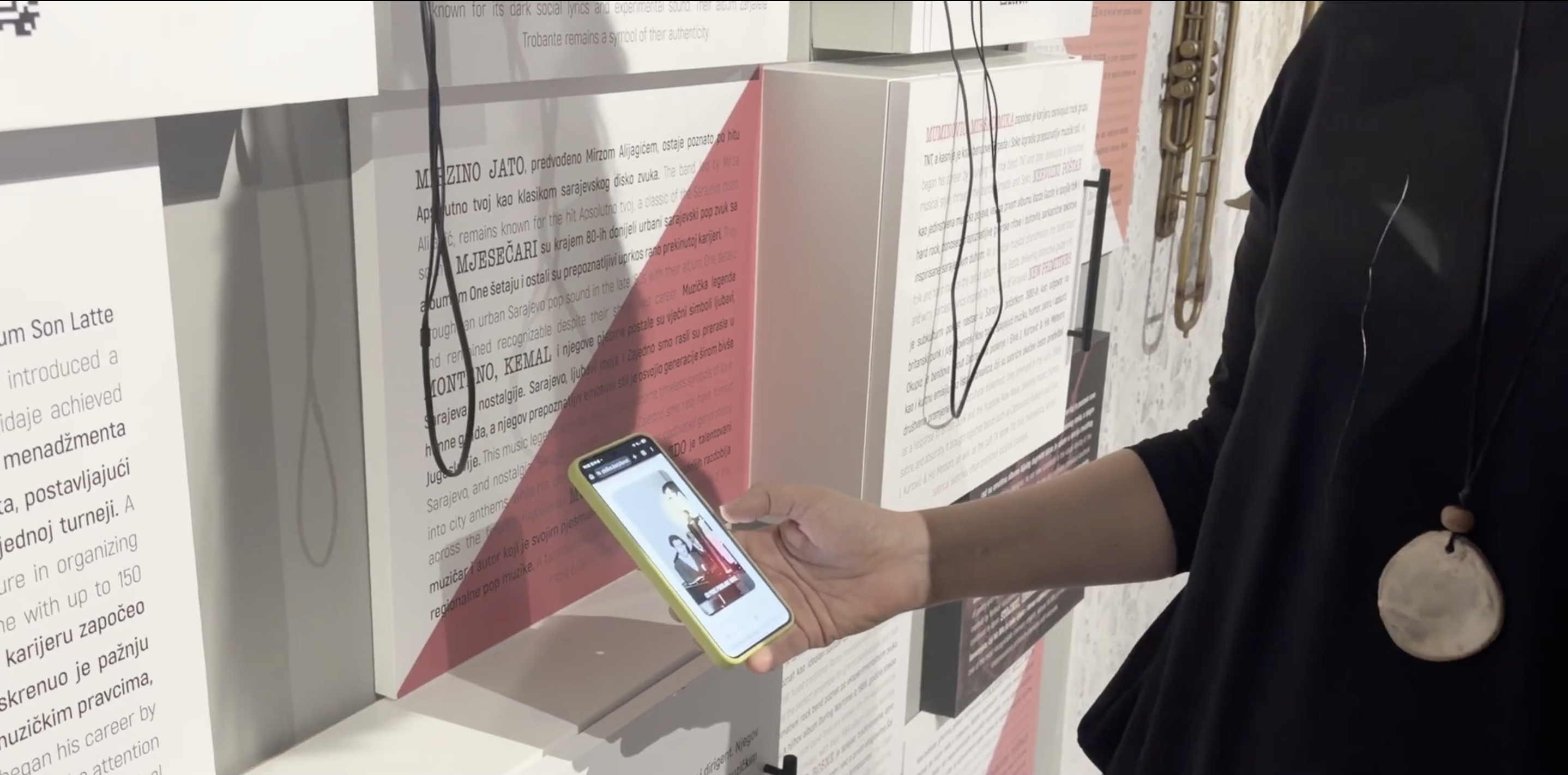
In tourism, the CHILLIM team developed a gamified digital platform designed to make the visitor experience more interactive and engaging. The solution includes a mobile application, NFC interactions and reward mechanisms, and was tested at the immersive Planet Sarajevo Museum. The pilot focused on visitor engagement, the functionality of NFC points, and the potential for broader application of similar approaches in tourism and culture. “We started with assumptions about how visitors behave in a space. Testing showed us where we were right and where our assumptions were inaccurate. We now have data and concrete feedback that we can build on moving forward,” says Nejra Berberović.
The three pilots demonstrated how much a solution can change when it leaves the development environment and encounters real working methods, user needs and the constraints of everyday practice.
For the participating companies and institutions, this was an opportunity to test new digital and smart solutions in their own environments and provide feedback from the perspective of real users. For the teams, pilot testing meant far more than confirming that a product works: it enabled them to reassess their initial assumptions, adapt solutions to specific processes and gain a clearer understanding of their future development.
This is where the value of the support provided through FutureMinds Lab lies. The winning ideas did not end at the hackathon; they were given the opportunity to continue developing where it matters most, in the real working environments for which they were designed.